With this book, we reach the Eighth Doctor, the only one (for the purposes of this project anyway) to have his entire era novelized. That said, my use of the word era in that sentence is somewhat deceptive because, for reasons that we’ll get to, he doesn’t exactly have one. He has several: the most well-known is easily the Big Finish run, since it’s lasted the longest (20 years and counting!) and is the only one to be mentioned in the show itself, canonizing it. (To the extent such a thing is possible, anyway.)
But there are other eras too, of course: the second-longest being the BBC Books line of novels published right up until June 2005, and the comics runs from Doctor Who Magazine and Titan. But his TV era, such as it is, consists of exactly two stories, one of which we’ll be discussing today, and the second one next month.
First things first: this book is obviously based on the 1996 TV movie, and if you’re reading this, chances are you already know everything there is to know about this thing: it was made 7 years after the show was canceled with the intention of being the launching point for a reboot, except that it had more lore and pointless continuity references than a Chris Chibnall script, so while it played very well in the UK, it bombed in America, because Doctor Who simply isn’t a cultural institution here. (Star Trek is probably our equivalent.) So, with plans for a series out the window, the TV Movie was left to languish as a curiosity until 2005, with only its starring Doctor popping up in the interim.
So, the TV Movie. As a Doctor Who adventure, it’s… kind of a mess, but an ambitious mess. It had a bigger budget than most of the classic series had, the music was great, the direction was excellent, and the main cast (Paul McGann, Eric Roberts, and Daphne Ashbrook) handled their parts well. It also has the best TARDIS console room of the classic series, and IMO, third best of the series as a whole. (Numbers one and two are, respectively, Ed Thomas’ copper design used for the lion’s share of the Smith years, and Michael Pickwoad’s neon design used from Series 7 to 10.)
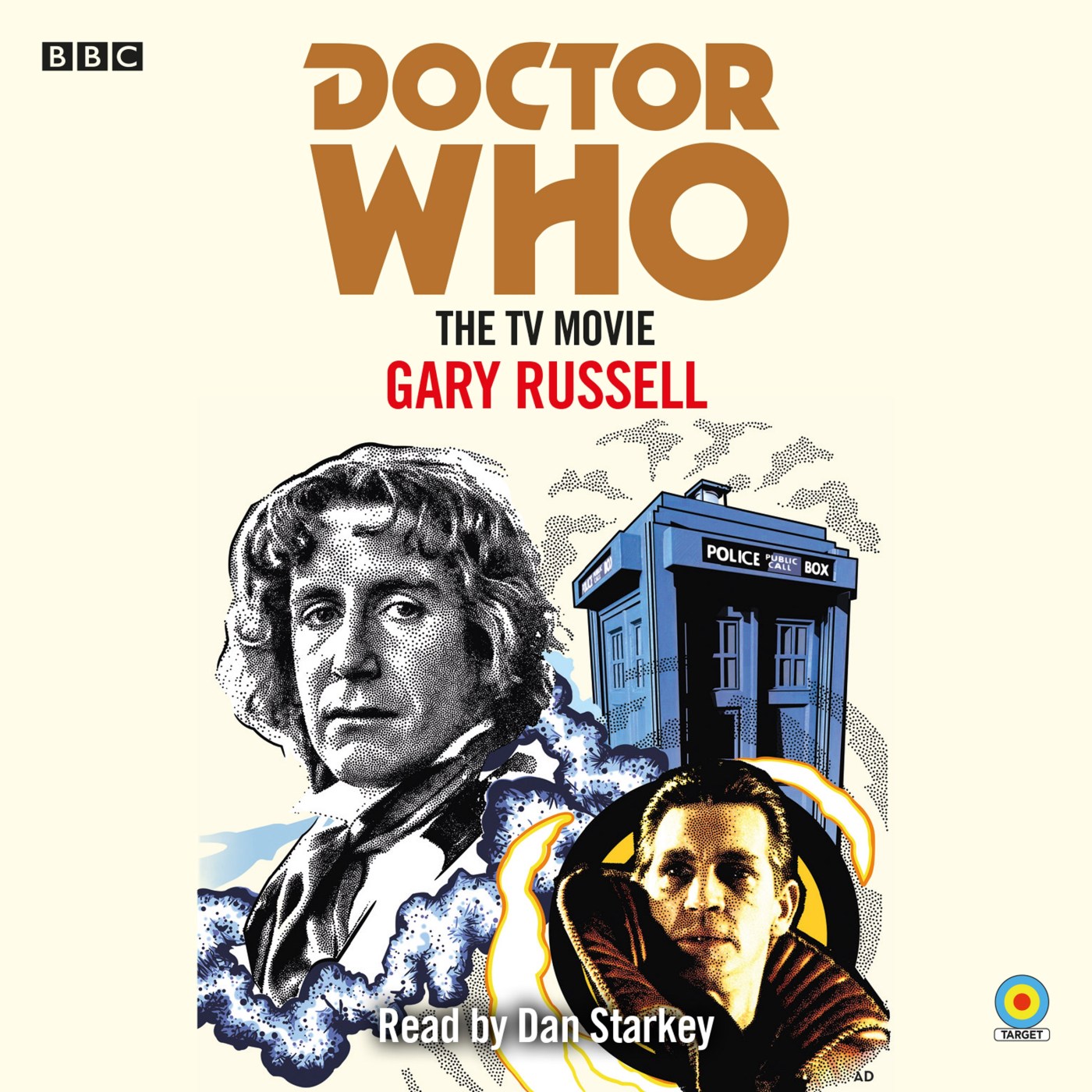
Gary Russell’s adaptation was released shortly before the movie aired on BBC 1, and while not technically a Target book back then (the range had ended by the early ‘90s) it was in fact re-released as one this year, alongside three revival series novelizations. Text-wise, the book diverges very heavily from the movie, since Russell was working from an earlier draft script. I won’t list the changes here because there are so many of them, but if you’re inclined, you can read about them on the book’s TARDIS Wiki page. The 2021 version adds even more, including an additional scene in the first chapter that depicts how the Doctor learned of the Master’s death, and his trip to Skaro to collect the ashes.
Plot-wise, all the expected beats of the TV version are here: Seven goes to San Francisco and gets shot, Grace accidentally kills him during surgery, the Master steals Bruce’s body and becomes human then hoodwinks Chang Lee into working with him to steal the Doctor’s body, and the world ends at the stroke of midnight… until it doesn’t. The TV version, as I’ve said, is something of a muddled mess in sorting through all of these various happenings, but when transferred into book form, it flows much more smoothly.
I don’t know what the common consensus is on Gary Russell’s ability as a writer, but I found the book to be quite readable, though I found some of his dialogue for the American characters (the receptionist the Master talks to in chapter 4, before he tracks down Chang Lee) to be a bit too British for my taste. American English is a very different animal to British English, and any screw ups stick out if you know what to look for.
What the novel does do very well (and the same is true for the TV version) is sell us on the idea of the Eighth Doctor. Paul McGann only had about half of a 90 minute production to do that, Russell benefits from the far more expansive world of prose. In Eight, you can see traces of the revival Doctors: he has David Tennant’s magnetic charisma, Matt Smith’s boyish enthusiasm, and Jodie Whittaker’s love of everything and everyone. Add in the mountain of expanded universe material, and it’s really hard not to see why so many fans, even to this day, claim him as their Doctor. He’s always been one of my favorites, to be sure.
Looking back, it’s tempting to imagine how things might’ve been had the movie not failed so spectacularly in the US. I imagine a kind of X-Files ripoff with the Doctor working for an American branch of UNIT as the Mulder to Grace’s Scully, but what actually could have been was revealed in the Leekley Bible: a production document written by John Leekley (the TVM’s original writer before Matthew Jacobs was hired) that included such things as remakes of old stories, a radically overhauled mythos in which the Doctor is the son of Ulysses, and reworked Cybermen known as… Cybs. (That’s so Nineties it hurts.)
But on the other hand, maybe it’s for the best that things worked out the way they did. The TVM’s failure led to RTD’s success in 2005, and everything that has followed since. Paul McGann’s been playing his Doctor for 20 years now, and while the character as of now is very different from the one glimpsed for a single night in May 1996, you can still see glimmers of that old magic peeking out.
So here’s to the TV Movie and the Eighth Doctor. Happy belated 25th!


Leave a Reply