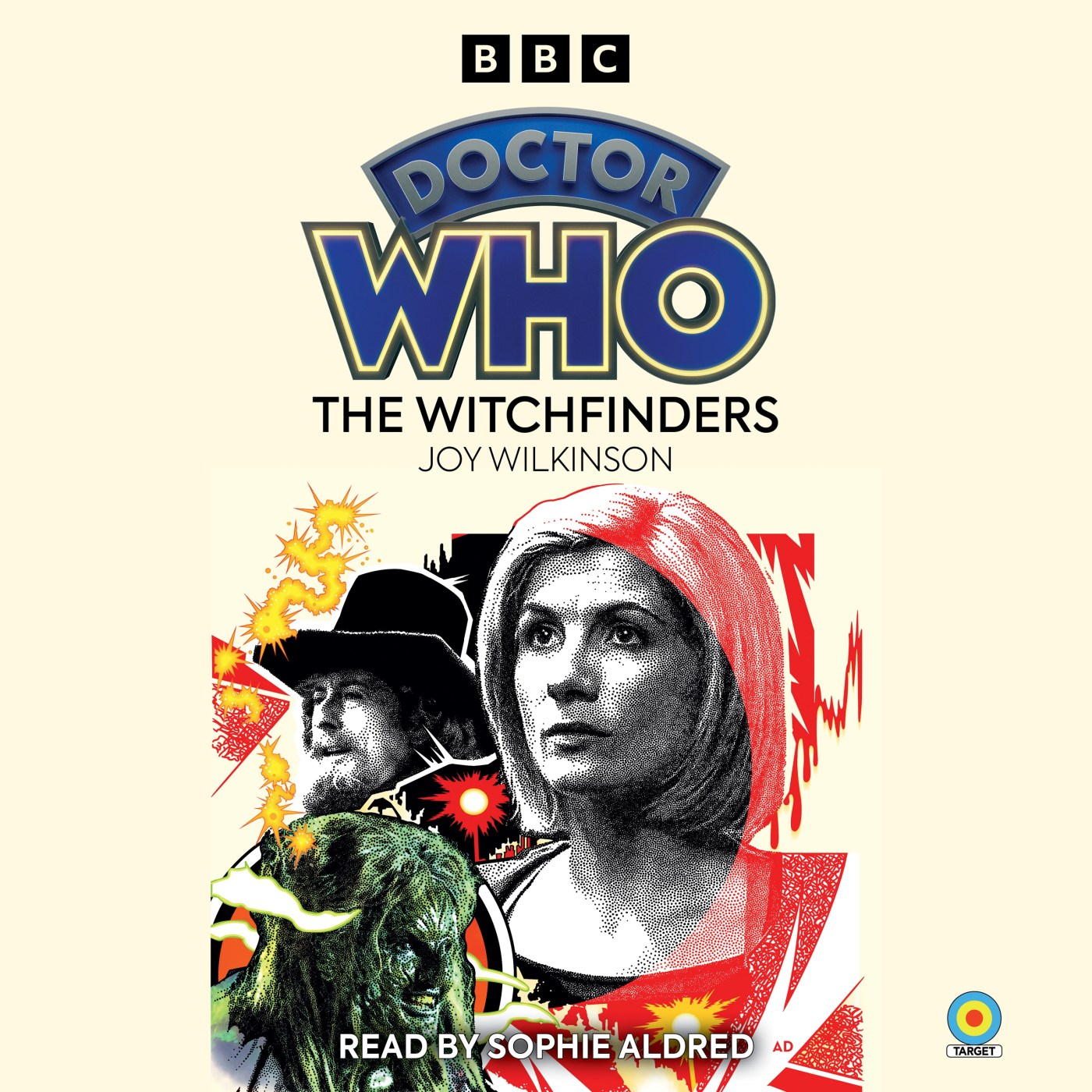
I’ve always believed that the Thirteenth Doctor’s best moments, for the most part, come not from the screen, but printed and bound, between pages of a book. Whether 24 page American comic books or full length novels by David Solomons, Sophie Aldred, or Juno Dawson, Jodie Whittaker’s Doctor can always flourish on the page, freed from the pen of the man who created her.
It’s funny, then, that this is where we end: with a novelization of a TV story, albeit one of the stronger ones from that first season. I wrote in my original review from November 2018 that it was a breath of fresh air, a historical adventure with a space alien monster for the Doctor to fight, rather than the ceaseless march of time. In a season where the Doctor stood by and let things happen, letting Jodie dive into the script and become the Doctor felt downright revolutionary.
One of the things novelizations force us to do, and this is part of why I like them so much, is make us face the stories on their own terms, isolated from their surroundings on TV. On the page, The Witchfinders isn’t the eighth installment of a ten (or eleven) episode run broadcast in the fall of 2018, but a gripping adventure story, exploring the consequences of hatred, division, and seventeenth century sexism. with the Doctor at its center.
Wilkinson is an excellent writer, skillfully weaving in the Morax from the very first page, literally: the story doesn’t open with the TARDIS trio’s arrival in Lancashire, but with the Morax’s imprisonment, setting up the firestorm of rage, fury, and hate that the time travelers find when they arrive at Pendle Hill. And when they do arrive, one of the things the Doctor does is mention Elizabeth the first! FINALLY! That’s another thing I love about these books, the opportunity to fix what once went wrong! (And in case anyone was wondering, the line about the New Testament is also changed.)
What I liked best about the book, aside from the Doctor’s heroics, is the extended mediation on her female form and how that affects her perception in historical adventures like these. In the show this gets a line or two, but in the book, Wilkinson gives us a peek inside the Doctor’s head, allowing us access to her thoughts:
“It wasn’t until then that the Doctor grasped the gravity of what was happening here. In a few words, she’d gone from being cheesed off at the stupidity of seventeenth-century sexism to truly understanding the risks of this new body she inhabited. That it didn’t just bring new obstacles. It could very easily get her killed if she wasn’t careful. The exasperation took a backseat to fear. The kind of fear she’d sworn wouldn’t be an issue for her, because she was a kick-ass Gallifreyan travelling the galaxies, not a chick getting chatted up at a bar or walking home down a dark alley. But it turned out time had played its tricks with her and it only took a moment for all her powers to vanish, so that suddenly she was seen as ‘just a woman’ in the presence of powerful forces with evil intent.”
That’s the kind of thing that I wish the TV show had bothered to depict more often. As I wrote in the Adventures in Narrative Substitution post on Arachnids in the UK, the Doctor’s gender change almost never affects the plot of an episode, even this one could’ve had Clara branded as the witch and placed on the dunking stool if this had been, say, a Series 9 story. But Wilkinson leans into that change, having the Doctor not just acknowledge her privilege she’d had presenting as a man, but its loss now that she’s presenting as a woman.
Treating the gender change with kid gloves is one thing if it’s the first episode and you’re trying not to scare away the audience, but keep doing it and you’re liable to create the impression that the change was done solely for the positive press and not out of a desire to support feminist causes. Wilkinson handles this with skill, making it clear that though she may have two hearts and two millennia of experiences, as far as the denizens of Lancashire are concerned, she’s just as human as the rest of them.
This story, more than any other, not only shows this Doctor’s potential as a character, but what a rebuild of the era can look like. Every other book I’ve looked at in this series has been a relic of the past, from the very distant to the recent. This book, at least for a little while longer, is still of the show’s present, more or less. There can, and should, be more stories where this Doctor is allowed to shine as brightly as her twelve predecessors. I have no doubt there will be: Big Finish’s New Series-era ranges have been jumping from strength to strength in the past few years, especially now that Christopher Eccleston has joined their ranks, and I have no doubt their Whittaker-era material will do her Doctor justice.
I don’t know what Russell T Davies has planned for the show’s future after 2022. His appointment as returning show runner, coupled with the news that Bad Wolf Productions will be co-producing alongside BBC Studios, means that a second female Doctor could be in the offing. (And if we know who that is by the time this post goes up on the blog, I can rewrite this paragraph accordingly.)
But no matter what happens, one thing will always be true: However many successors Jodie will have in the role, and no matter what gender they are, she will always be a pioneer, a step forward, the personification of material social progress. It is beyond fitting that this book, which adds to the ending of the TV story by (among other things) not only having the Doctor refuse to wear the Witchfinder General hat, concludes with an older Willa somewhere at the end of time and space, spinning yarns with Ashildr and Clara Oswald. We are all stories in the end, and this was most definitely one of the good ones.


Leave a Reply